📞 02 8103 2210 ✉ contact@enrichmentsuccess.com.au
Home / Insights / Asset Review

Australian Major Asset Market Review

Equities, fixed income and property —a high-level market review.

Market Review

How Australian asset classes have moved over the last 20 years

Portfolio charts on multiple monitors

When clients ask us "what is a normal return?" we usually push back on the question. There is no single normal —the answer depends on which 20-year window you pick, which asset mix, and whether you adjust for inflation. What we can do is describe the range.

Australian equities

Over rolling 20-year windows, the All Ordinaries has delivered long-run nominal returns in the high single digits to low double digits, with real returns after inflation materially lower. Along the way, there have been drawdowns of 40 to 50 per cent —the early 2000s, the GFC, the 2020 COVID shock. Anyone building a plan that assumes no drawdown is planning against history, not with it.

Cash and fixed interest

Cash returns have tracked the cash rate, which over the last 30 years has moved from double digits in the early 1990s to near zero in the 2010s, back to 4 per cent plus in 2023-24. The 2010s were an anomaly; the longer average is higher. Income-focused clients who remember 1990s deposit rates are planning off a different world.

Residential property

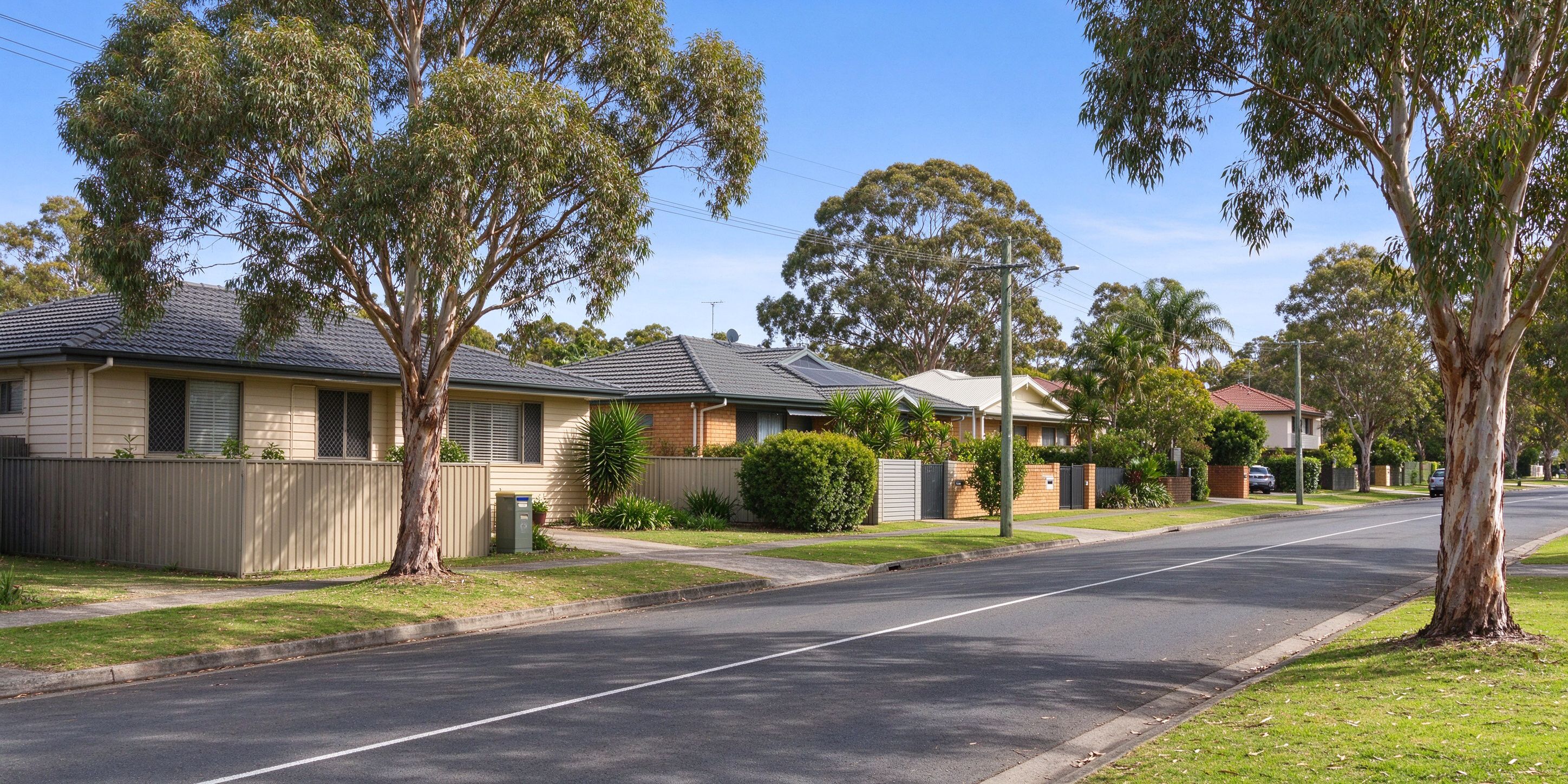
Australian residential property has had very long upswings and shorter corrections. The 2010s saw substantial price growth in Sydney and Melbourne, followed by a 2017-19 correction and the 2020-21 upcycle. The data shows clearly that property is not a one-way bet, even in Australia.

Property and equities have different long-run patterns

The point

Every asset class has had a period where it looked unstoppable, and a period where it looked broken. The planning conversation is not about picking the next unstoppable one. It is about building a mix that survives the broken periods without forcing a sale.

Sources: RBA, ABS, ASX historical data. This note is descriptive and does not constitute investment advice.
❓ Support
Home / Insights / Residential Cycle

Australian Residential Market Cycle

What the long-run data actually shows about upswings and corrections.

Property

Australian residential property: cycles, not one-way bets

Australian residential property: cycles, not one-way bets

Australian residential property is often discussed as if it only goes up. The long-run data tells a more nuanced story. Sydney and Melbourne have seen very long upswings (the early 2000s, the 2010s, the 2020-21 COVID era) and meaningful corrections (2017-19, 2022-23). Anyone planning around property should be planning for both.

The 30-year pattern

Over the last three decades, Australian capital city dwelling values have roughly tracked income growth, population growth and interest rate cycles. Periods of falling rates and rising credit growth have coincided with strong price growth; periods of rising rates or credit tightening have coincided with corrections. The 2017-19 correction saw Sydney values fall by around 15 percent from peak to trough, despite no recession. The 2022-23 correction was similarly driven by the fastest cash rate hiking cycle in decades.

Capital cities vs regional

Capital city markets (Sydney, Melbourne, Brisbane) have shown more liquidity and tighter supply constraints than regional markets. Regional booms (mining towns, coastal lifestyle suburbs) have tended to be sharper and shorter. For planning purposes, the liquidity profile of a property matters as much as its expected return — a property you cannot sell quickly in a downturn is a different asset to one you can.

Interest rates matter

Australian property prices are highly sensitive to mortgage rates. A 2 percentage point rise in variable rates can materially reduce borrowing capacity, which in turn reduces prices if supply does not adjust. Clients who bought near the top of a rate cycle are disproportionately exposed to price corrections. This is not a forecast; it is what the data shows across multiple cycles.

The planning point

Property has been a good long-run store of value for many Australian households, but it is not a guaranteed one. A planning conversation should cover: how long the property is held, the debt level attached to it, the liquidity of the specific asset, and the client's ability to hold through a correction without forced sale. These are structural questions, not market-timing questions.

Sources: ABS, CoreLogic historical indices, RBA. This note is descriptive and does not constitute investment advice.

❓ Support